
What Is a Plunge Router and Why Use One?
If you’re into woodworking — whether as a beginner DIYer or a seasoned craftsperson — one power tool you’ll hear about often is the plunge router. It’s a versatile and precision-focused tool designed to help you cut grooves, dadoes, mortises, and inlays with exceptional control. But what exactly makes a plunge router special, and why should you consider adding one to your workshop?
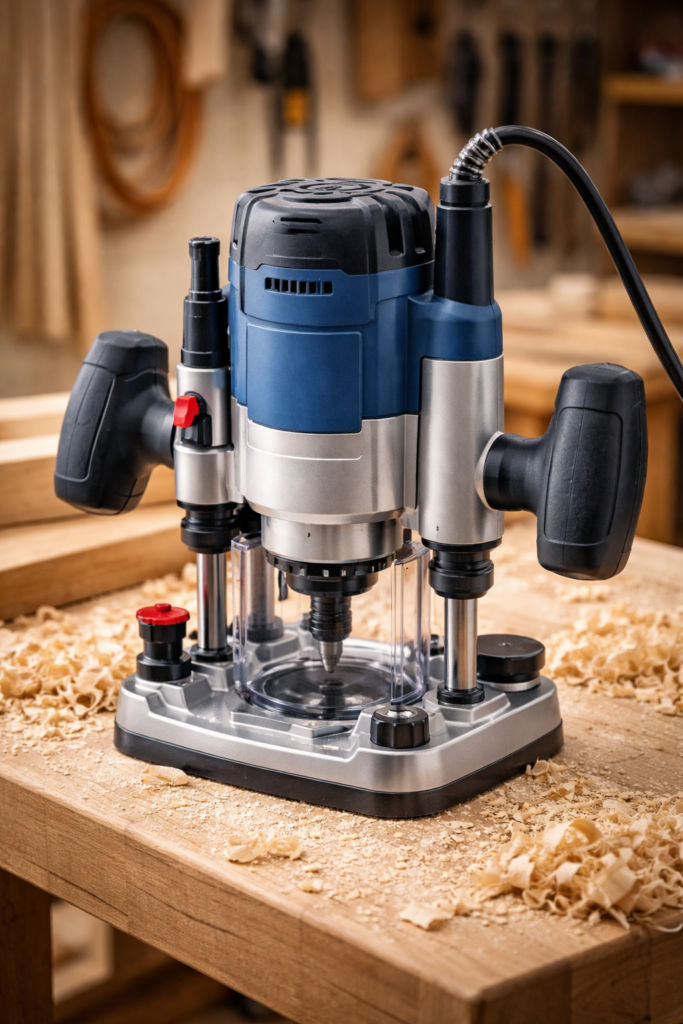
Understanding the Plunge Mechanism
A plunge router is a type of woodworking router that allows the user to “plunge” the cutting bit straight down into the workpiece from above, rather than starting from the edge. This motion is made possible by a spring-loaded base that moves vertically along guide rods.
Once the router is switched on, you can smoothly lower the motor housing until the bit reaches the desired depth. You then lock the depth in place and guide the router across the material to make precise internal cuts — something a fixed-base router can’t do as easily.
Here’s how the plunge action works at a glance:
| Component | Function |
|---|---|
| Plunge Springs | Return the router to its raised position after a cut |
| Depth Stop Rod | Limits how deep the bit can plunge into the material |
| Lock Lever | Holds the router in a set depth during cutting |
| Guide Rods | Allow smooth, controlled vertical movement |
This flexibility makes plunge routers ideal for making internal cuts, stopped grooves, mortises, and decorative inlays — all of which require starting a cut in the middle of the wood, not just along its edges.
Why Woodworkers Prefer a Plunge Router
The main reason craftsmen choose a plunge router is its precision and control. Unlike other router types, you can adjust cutting depth on the fly, allowing for incremental passes that reduce tear-out and prevent bit overload. This is especially useful when working with hardwoods or expensive materials.
Here are some key advantages of using a plunge router:
- ✅ Adjustable Depth Control: Perfect for detailed joinery or pattern routing.
- ✅ Versatility: Can perform both edge and interior cuts.
- ✅ Safety: The bit stays fully enclosed until you start cutting, reducing accidental contact.
- ✅ Consistency: Built-in depth stops ensure each pass is identical.
- ✅ Clean Finish: When used with sharp bits and dust extraction, plunge routers leave a smooth, professional result.
Pro Tip: Many woodworkers use a plunge router as their primary router because it can handle both plunge and fixed-base tasks. With an optional adapter base, it becomes even more versatile.
When to Use a Plunge Router
You’ll reach for a plunge router whenever you need to:
- Cut mortises for joints or hinges
- Rout grooves for cabinet panels or drawer bottoms
- Create inlays or lettering in signs and furniture
- Make template-guided cuts for repeatable precision
- Rout stopped dadoes where the cut doesn’t go through the entire board
- Drill perfectly vertical holes or pockets with router bits instead of drills
These applications make it a must-have for furniture makers, cabinetry professionals, and even hobby woodworkers who want cleaner, more accurate work.
Expert Insight
“A plunge router isn’t just about cutting wood — it’s about control. You can start, stop, and fine-tune your cuts mid-project, giving you the confidence to experiment with more intricate designs.”
— Rick H., professional cabinetmaker with 25 years of experience
Summary of Key Takeaways
| Feature | Benefit |
|---|---|
| Plunge Mechanism | Allows mid-board cuts without starting from an edge |
| Adjustable Depth Stop | Enables precision and repeatability |
| Variable Speed Control | Handles both softwoods and hardwoods efficiently |
| Dust Extraction Port | Keeps workspace clean and improves visibility |
| Ergonomic Handles | Offers better grip and stability |
In short, a plunge router gives you depth control, versatility, and safety in one compact tool. It’s one of the most powerful upgrades you can make to your woodworking setup — and once you understand how it works, you’ll wonder how you ever managed without it.
Plunge Router vs Fixed-Base Router (and Other Types)
When you start shopping for your first router, you’ll notice two major categories: the plunge router and the fixed-base router. Understanding their differences helps you choose the right one for your projects — and avoid costly mistakes.
What Is a Fixed-Base Router?
A fixed-base router has a stationary base that holds the motor at a set depth. You adjust the bit depth before turning on the tool and cannot change it while cutting. This design offers more stability for edge profiling, bevels, and round-overs, where consistent depth is key.
Pros of Fixed-Base Routers:
- Easy to set up and use — perfect for beginners.
- Stable and lighter, offering smoother edge control.
- Often less expensive than plunge routers.
- Works well when mounted on a router table for production work.
Cons:
- Can’t plunge into the middle of material.
- Limited versatility for mortises, inlays, or stopped cuts.
Plunge Router Advantages
The plunge router, on the other hand, offers full vertical movement during operation. With its spring-loaded base and depth-stop system, you can start a cut anywhere on your material — not just the edges.
| Feature | Plunge Router | Fixed-Base Router |
|---|---|---|
| Depth Adjustment | Adjustable while cutting | Fixed before cutting |
| Cut Starting Point | Can start in mid-board | Must start at edge |
| Ideal For | Grooves, mortises, inlays | Edge profiles, shaping |
| Safety Mechanism | Bit retracts automatically | Bit remains exposed |
| Versatility | High | Moderate |
| Learning Curve | Slightly higher | Easier |
Fact: In professional workshops, many woodworkers use both a plunge and a fixed-base router. The fixed base handles repetitive edge work, while the plunge router tackles more detailed joinery and internal cuts.
Other Router Types You Should Know
While plunge and fixed-base routers dominate the market, there are several other specialized models worth mentioning:
Trim Router (Compact Router)
- Lightweight and ideal for small tasks like laminate trimming, edge banding, or light-duty profiling.
- Usually one-handed operation.
- Great for portability and on-site finishing touches.
Combo Router Kits
- Offer interchangeable bases — both plunge and fixed — so you can switch depending on your project.
- Cost-effective for users who want flexibility.
Router Table Mounted Routers
- A fixed router mounted upside-down on a table.
- Ideal for production runs and precision edge shaping.
- Allows use of fence systems, feather boards, and dust collection setups.
Which One Should You Buy First?
If you’re starting out, many experts recommend beginning with a plunge router because it’s more adaptable. You can lock the base in position to mimic a fixed-base router, but you can’t make a fixed-base router “plunge.”
Think of it this way:
Plunge Router = Versatility + Control
Fixed-Base Router = Simplicity + Stability
Quick Recommendation Table:
| User Type | Recommended Router Type | Why |
|---|---|---|
| Beginner DIYer | Plunge Router (Mid-range) | More flexibility, easier to experiment |
| Cabinetmaker / Pro | Both Types | Efficiency and task-specific performance |
| On-site Installer | Trim Router | Lightweight, quick, portable |
| Router Table User | Fixed Base | Consistent setup and smooth edges |
Pro Tip:
If your budget allows, buy a combo router kit with both bases. It offers the best of both worlds and keeps you prepared for almost any woodworking task.
Anatomy of a Plunge Router – Key Components and What to Look For
Before you start using or buying a plunge router, it’s essential to understand how it’s built. Knowing each part and its function helps you make smarter buying decisions, perform precise adjustments, and maintain your tool for years of dependable service.
Let’s break down the key components of a plunge router and what to look for in each one.
1. Base Plate (or Plunge Base)
The base plate is the flat surface that rests on your workpiece while routing. On a plunge router, this base moves vertically along guide rods as you push down to plunge.
What to look for:
- A wide, stable base for even pressure distribution.
- A clear or transparent base to improve visibility around the bit.
- Smooth glide — the plunge action should move easily without sticking or jerking.
- Pre-drilled holes for attaching guide fences, dust ports, or jigs.
Pro Tip: Always check if your base supports template guide bushings — these are vital for pattern routing or inlay work.
2. Plunge Rods and Springs
These are the metal columns that guide the router up and down. Inside the assembly are plunge springs that help the router return to its raised position once you release pressure.
What matters:
- Rods should be rigid and corrosion-resistant for long-term smooth movement.
- Springs must provide consistent tension — not too stiff, not too loose.
- Check for a depth stop turret, which lets you quickly change between pre-set cutting depths.
A common issue with cheaper plunge routers is “stickiness” in the rods. This causes uneven plunges and imprecise cuts. Premium brands use precision-machined rods that glide effortlessly for better control.
3. Depth Stop System
Depth control is what makes a plunge router shine. The depth stop limits how far the bit can plunge into the material. Most routers use a multi-stop turret — a rotating wheel with several preset levels — so you can make multiple passes at consistent depths.
Look for:
- Micro-adjust knobs for fine-tuning to within fractions of a millimeter.
- Clear scale markings for quick visual reference.
- Turret stops that click securely into place to prevent accidental shifts.
| Feature | Purpose |
|---|---|
| Multi-stop Turret | Allows preset depth levels for step routing |
| Micro Adjustment Dial | Enables fine-tuning for precision work |
| Depth Rod | Sets maximum plunge depth |
| Locking Lever | Holds depth setting securely during cuts |
4. Motor and Power Rating
The motor is the heart of your plunge router. It determines how smoothly you can cut through various materials.
Typical power ranges:
- 1.25 HP (light-duty): Great for softwoods, laminate trimming, and small grooves.
- 2.25 HP (mid-range): Ideal for general woodworking, cabinetry, and mortising.
- 3.25 HP (heavy-duty): Designed for hardwoods, large bits, and prolonged use.
Important motor features:
- Soft Start: Gradually increases motor speed to prevent jerking when powered on.
- Variable Speed Control: Lets you adjust the RPM to match material and bit size.
- Softwoods → higher speeds (20,000–25,000 RPM)
- Hardwoods → slower speeds (10,000–18,000 RPM)
- Plastics → medium speeds to avoid melting
- Electronic Feedback: Maintains consistent RPM under load for smoother cuts.
Quote: “A good plunge router motor is like a car engine — you don’t always need to go fast, but you want reliable torque when you do.”
— Tom S., woodworking instructor, Fine Woodworking Journal
5. Collet and Bit Compatibility
The collet is the part that grips the router bit. It’s crucial for accuracy and safety because even a slight bit of runout (wobble) can ruin your workpiece.
Collet sizes:
- ¼-inch collet: Common for light-duty bits (trim, small grooves).
- ½-inch collet: Handles larger bits, offers more stability and smoother operation.
- Some routers include collet adapters so you can use both sizes.
What to look for:
- Hardened steel collets with precision machining.
- Easy bit changes — quick-release or spindle lock features save time.
- Clean the collet regularly; dust or pitch buildup can cause the bit to slip.
6. Handles and Ergonomics
Routing demands control and balance. A good plunge router will have ergonomic handles that reduce fatigue and help you maintain precision.
Preferred designs:
- D-handle or side handles with rubber grips.
- Low vibration levels to prevent hand strain.
- Well-balanced motor housing for smooth operation during deep plunges.
Safety Note: Always hold the router firmly with both hands. Even small bits generate powerful torque when spinning at high RPM.
7. Dust Extraction System
Dust is more than just a nuisance — it affects visibility, safety, and the final finish. Modern plunge routers often feature dust ports or vacuum adapters to help manage debris.
Look for:
- Rear or side dust collection ports that attach to a shop vacuum.
- Transparent shields that let you see the bit clearly while collecting chips.
- Optional dust extraction kits if not included with the router.
| Dust Control Option | Benefit |
|---|---|
| Built-in Dust Port | Keeps workspace cleaner |
| Transparent Shield | Improves visibility of the cut line |
| External Vacuum Adapter | Reduces airborne particles |
8. Accessories and Add-ons
A plunge router becomes even more powerful with the right accessories:
- Edge guide or fence – helps keep cuts straight and parallel.
- Template bushings – guide bits along pre-made patterns.
- Router table adapter – lets you mount it upside-down for precision shaping.
- Circle-cutting jig – for perfect circular or curved cuts.
- LED lighting – improves visibility in detailed work.
Quick Reference Summary
| Component | Key Feature | Why It Matters |
|---|---|---|
| Base Plate | Transparent, stable | Smooth routing and visibility |
| Plunge Rods | Smooth action | Accurate depth control |
| Depth Stop | Adjustable turret | Consistent cuts |
| Motor | Variable speed, soft start | Handles all materials |
| Collet | ¼″ and ½″ sizes | Bit versatility |
| Handles | Ergonomic grips | Better control |
| Dust Port | Vacuum-ready | Cleaner cuts |
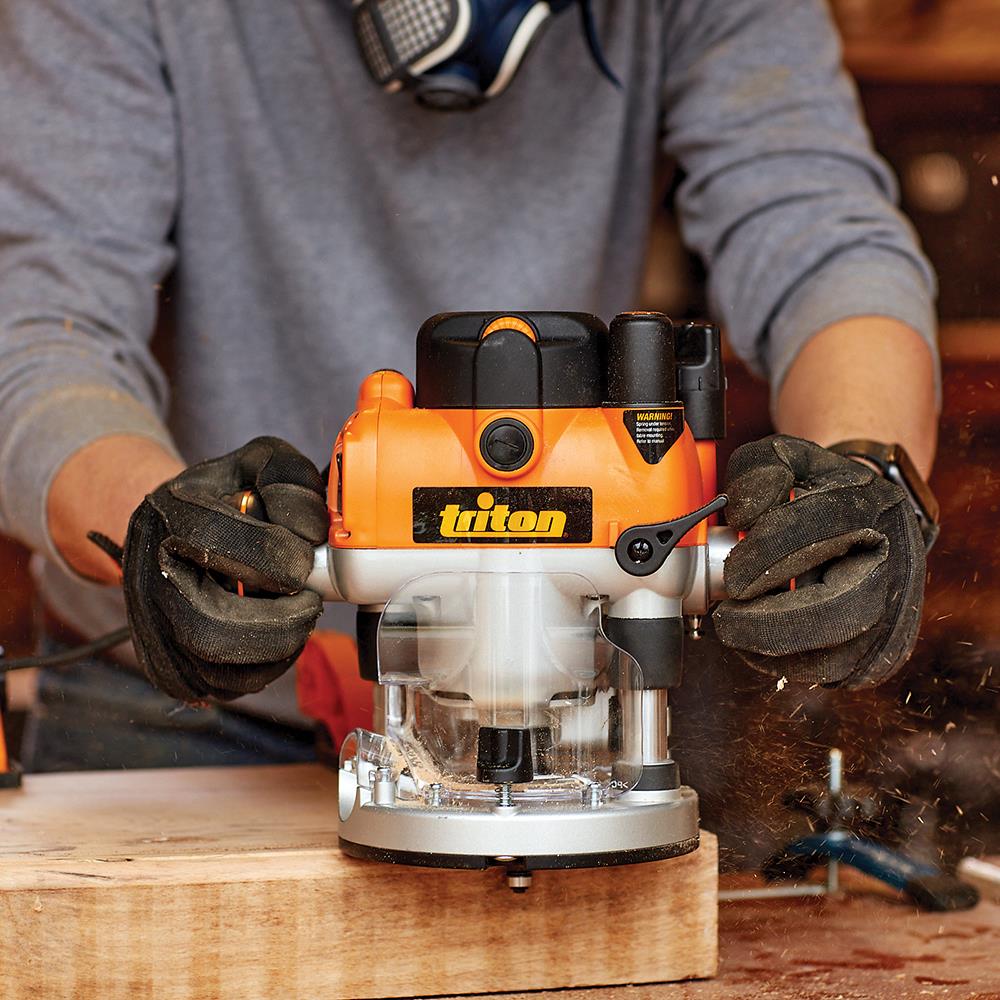
Understanding these parts and their functions will help you identify quality, spot weaknesses in cheap models, and ensure your plunge router performs flawlessly for years. When shopping, don’t just look at horsepower — examine precision, plunge smoothness, and build quality, as these define a truly great router.
How to Choose the Right Plunge Router for Your Needs
Selecting the right plunge router isn’t just about picking the most powerful model on the shelf. It’s about finding a router that matches your projects, budget, and skill level. Whether you’re a casual hobbyist or a professional woodworker, understanding what makes a plunge router suitable for your workflow is key to long-term satisfaction.
Let’s explore each factor in detail.
1. Define Your Budget and Skill Level
Plunge routers come in a wide range of prices, typically from $100 to $500+, depending on quality, brand, and features.
| Category | Price Range (USD) | Typical Use Case | Examples |
|---|---|---|---|
| Entry-Level | $100–$150 | Hobby projects, softwoods | Bosch Colt, Ryobi RE180 |
| Mid-Range | $150–$300 | General woodworking, cabinetry | Makita RP2301FC, DeWalt DW625 |
| Professional | $300–$500+ | Heavy-duty routing, hardwoods, commercial use | Festool OF 1400, Triton TRA001 |
Tip: If you’re new to woodworking, don’t go straight for the most expensive router. Start with a mid-range plunge router that offers solid build quality, variable speed, and good ergonomics.
Quote: “The best router for beginners is the one you’ll actually use. It doesn’t need every feature — it needs to feel comfortable and predictable.”
— Mike Reynolds, woodworking educator at Woodcraft School
2. Match Power and Size to Your Projects
Router power is usually measured in horsepower (HP) or amperage. Choosing the right power level depends on what you plan to do:
| Router Power | Best For | Example Projects |
|---|---|---|
| 1.25–1.75 HP | Light-duty | Trimming edges, sign making, inlays |
| 2–2.5 HP | Medium-duty | Cabinet grooves, mortises, dadoes |
| 3+ HP | Heavy-duty | Large bits, hardwoods, router table work |
Rule of thumb:
If you mostly work on small, handheld projects, a 1.75 HP plunge router will serve you well. For deep mortises or hardwoods, invest in a 3 HP model — it’ll handle stress without burning bits or bogging down.
3. Collet Size and Bit Compatibility
The collet determines which router bits you can use. Most quality plunge routers come with both ¼-inch and ½-inch collets, but not all.
- ¼-inch collet: Best for small detailing and trim bits.
- ½-inch collet: Preferred for larger bits, smoother performance, and reduced vibration.
Pro Tip: Even if you don’t need it right now, choose a router that supports ½-inch bits. You’ll have far more flexibility as your projects grow in complexity.
4. Variable Speed Control: Why It Matters
Different materials and bit sizes require different speeds. A variable speed plunge router lets you fine-tune the RPM to prevent burning, chatter, or tearing.
| Material | Recommended RPM |
|---|---|
| Softwoods (Pine, Cedar) | 20,000–25,000 |
| Hardwoods (Oak, Maple) | 12,000–18,000 |
| Plastics / Acrylics | 15,000–20,000 |
| MDF / Plywood | 16,000–22,000 |
Routers with electronic speed feedback maintain consistent RPM under load — meaning smoother cuts, even when the bit meets resistance.
5. Depth Adjustment and Fine-Tuning
One of the biggest advantages of a plunge router is its precision depth control. When choosing your model, look for these features:
- Micro-adjust knobs for tiny depth changes.
- Depth stop turret with multiple settings for repeat passes.
- Easy-to-read depth scale (in both metric and imperial).
- Smooth plunge action — this is critical for accuracy.
Quick Check: When you test a router in-store, press the handles down to simulate plunging. It should move smoothly, lock firmly, and return effortlessly.
6. Ergonomics and Comfort
A router can feel heavy after a long session. That’s why handle design, balance, and vibration damping make such a difference.
What to look for:
- Soft rubber grips that don’t slip under vibration.
- A well-balanced motor that doesn’t tilt forward.
- Intuitive switch placement so you can power off without losing control.
- Lower noise levels — some models include built-in sound insulation.
Remember, woodworking should feel controlled and enjoyable — not tiring or awkward.
7. Brand Reputation and After-Sales Support
Stick to brands with strong reputations for precision tools. These companies often have better machining quality, longer warranties, and readily available replacement parts.
Top-rated plunge router brands:
- Makita – Known for smooth plunge action and durability.
- DeWalt – Reliable and widely available worldwide.
- Bosch – Great ergonomics and dust extraction design.
- Festool – Premium performance with industry-leading dust control.
- Triton – Innovative safety features and excellent micro-adjustment systems.
Case Study: In a 2024 Woodworker’s Journal survey of 1,000 users, Bosch and Makita ranked highest for reliability and long-term satisfaction, while Festool scored best in dust collection and precision.
8. Portability vs Power Trade-Off
- Lightweight routers (under 8 lbs): Great for handheld use, sign making, and trim work.
- Heavier routers (10–15 lbs): Offer more stability and power for deep cuts but can be tiring to hold for long periods.
- Some pros keep two routers — one lightweight for freehand tasks and one heavy-duty for a router table.
9. What to Avoid When Buying a Plunge Router
- ⚠️ Cheap no-name models with poor plunge control — often uneven and sticky.
- ⚠️ Plastic bases — they scratch easily and warp over time.
- ⚠️ No variable speed control — limits material compatibility.
- ⚠️ Short power cords — frustrating in large workshops.
- ⚠️ Inconsistent depth locks — can ruin precise joinery work.
10. Quick Buying Checklist
✅ 2+ HP motor (variable speed)
✅ ½-inch collet support
✅ Smooth plunge action with micro-adjust depth control
✅ Sturdy, transparent base
✅ Dust extraction port
✅ Comfortable handles and balanced weight
✅ Good warranty and brand reputation
Summary: Choose Wisely for the Long Term
Your plunge router should be an investment — not just a tool. Focus on quality over gimmicks, ensure it feels right in your hands, and verify it meets your project demands. A well-chosen plunge router can serve you faithfully for a decade or more, turning complex woodworking into a smoother, safer, and more enjoyable craft.