
Introduction to Bosch Router
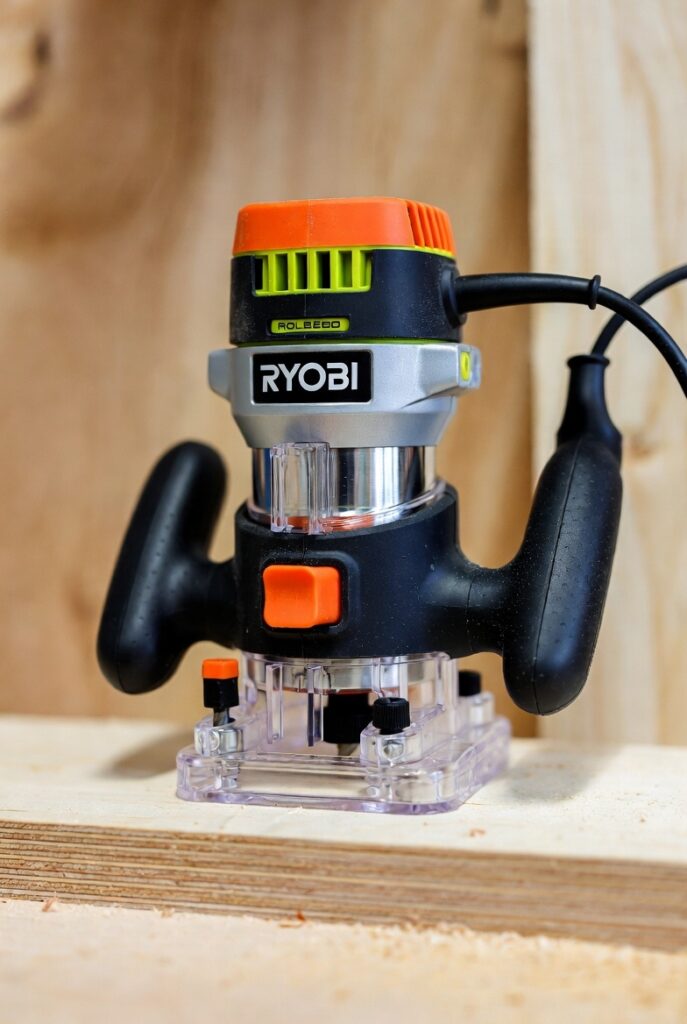
A Bosch router is a precision woodworking tool designed for trimming, shaping, cutting, and carving wood. Known for reliability, professional-grade performance, and innovative features, Bosch routers are widely used by hobbyists, DIY enthusiasts, and professional woodworkers alike. They provide versatility for various woodworking tasks, from simple edge work to intricate inlays.
Whether you’re working on furniture, cabinetry, or decorative projects, understanding the capabilities of a Bosch router will help you choose the right model and achieve clean, professional-quality results.
Why Choose a Bosch Router?
Bosch routers are recognized for combining power, precision, and advanced technology:
- Durability: Bosch routers are built to withstand heavy use and last for years.
- Precision: With features like variable speed control, fine depth adjustment, and ergonomic design, Bosch routers allow for highly accurate cuts.
- Versatility: Many models support both fixed and plunge bases, giving users flexibility for a wide range of tasks.
- Professional Features: Integrated dust collection, LED lights, and smooth-start motors make Bosch routers suitable for professional and advanced woodworking.
Fact: Bosch is a leading global power tool brand, trusted by professionals for high-quality, innovative woodworking tools.
Types of Bosch Routers
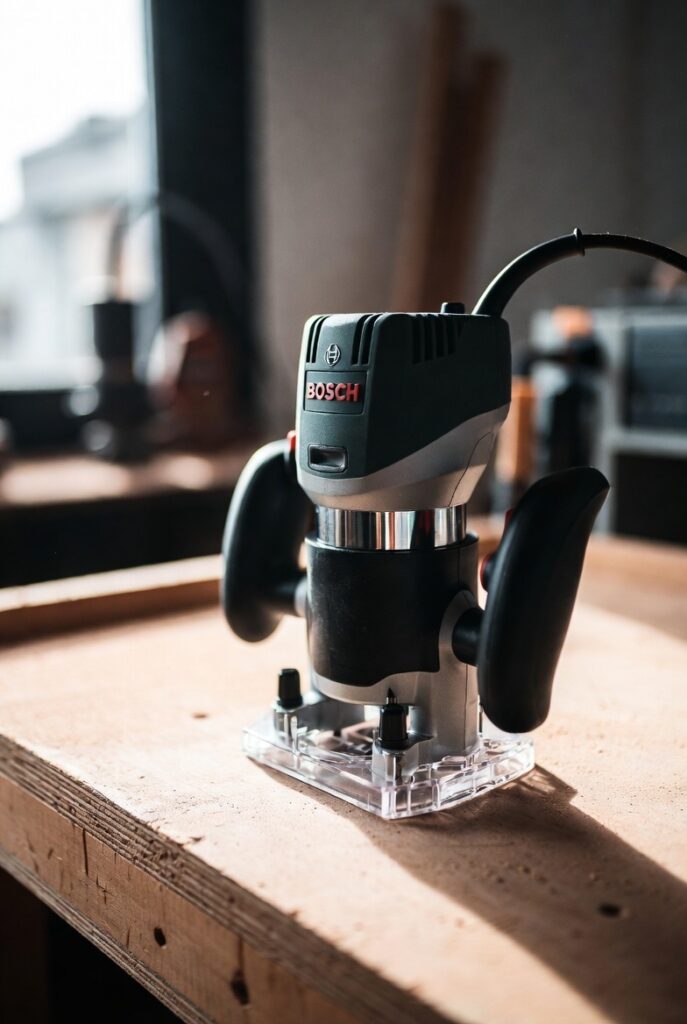
Bosch offers several types of routers to meet different needs:
- Fixed-Base Bosch Router:
- Ideal for edge profiling and consistent depth cuts
- Easy to mount on a router table
- Perfect for repeatable, precise routing tasks
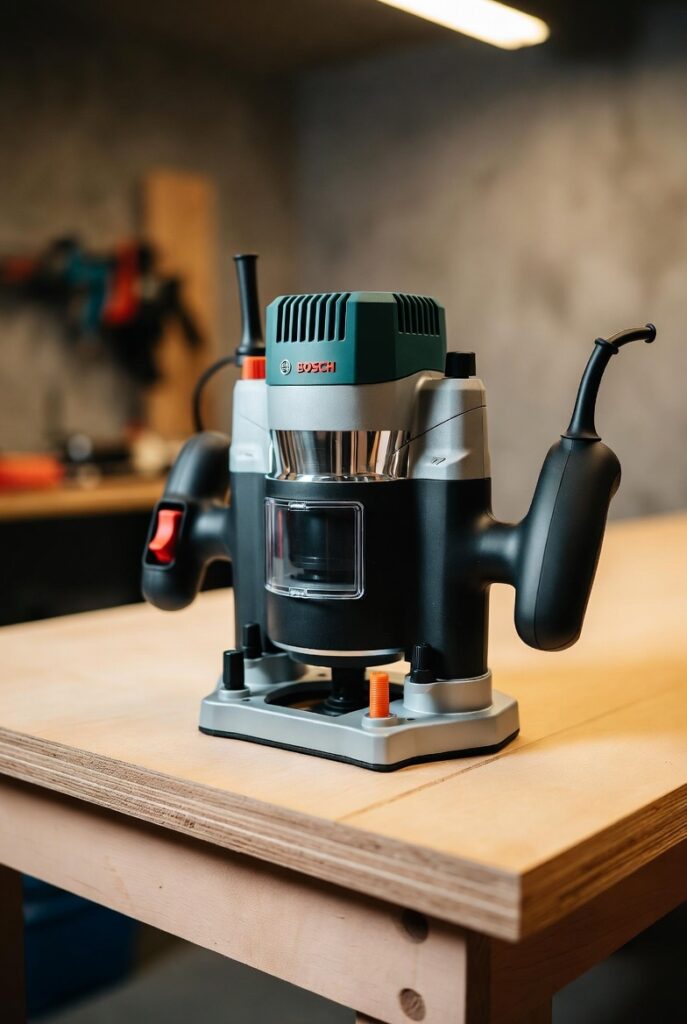
- Plunge-Base Bosch Router:
- Allows the router bit to plunge into the workpiece for grooves and mortises
- Adjustable depth for complex and intricate cuts
- Essential for template routing and decorative work
- Combo Kits:
- Include both fixed and plunge bases in one package
- Provide maximum versatility for hobbyists and professional woodworkers
Who Should Use a Bosch Router?
- DIY Enthusiasts: Reliable and user-friendly for home projects
- Hobbyist Woodworkers: Ideal for furniture, cabinetry, and decorative woodworking
- Professional Woodworkers: High-end models are suitable for precision, heavy-duty tasks
- Beginners: Entry-level Bosch routers provide intuitive operation and safety features
Summary: Introduction to Bosch Router
A Bosch router is a versatile, high-quality tool designed for both beginners and professionals. Its durability, precision, and range of features make it a reliable choice for woodworking projects of all sizes. Understanding the types of Bosch routers available is the first step toward choosing the right model for your needs.
Key Features of Bosch Routers
Bosch routers are designed to deliver precision, power, and versatility. Understanding these features ensures you choose the right router and use it effectively for your woodworking projects.
1. Powerful Motor and Variable Speed Control
- Motor Power: Bosch routers range from 1.25 HP to 3 HP, providing options for light, moderate, and heavy-duty woodworking tasks.
- Variable Speed: Allows users to adjust RPM for different materials and bit sizes. Lower speeds work for large bits and hardwood, while higher speeds are ideal for softwood and fine detailing.
- Smooth Start: Reduces torque at startup, making it easier to control the router and preventing sudden jerks.
Example: The Bosch 1617EVSPK combo router has a 2.25 HP motor with variable speed, making it versatile for multiple woodworking applications.
2. Base Types and Flexibility
Bosch routers come in three main base types:
- Fixed Base: Provides consistent depth cuts for edge work and routing on tables.
- Plunge Base: Allows precise vertical cuts for grooves, mortises, and decorative inlays.
- Combo Kits: Include both bases for maximum flexibility, ideal for hobbyists or professional workshops.
Pro Tip: Combo kits allow you to switch between fixed and plunge bases depending on the project requirements.
3. Depth Adjustment and Micro-Adjustments
- Precise Depth Control: Bosch routers feature fine-tuning depth adjustment for accurate cuts.
- Micro-Adjustment Rings: Allow incremental changes for intricate work, ensuring repeatable results.
- Depth Locks: Keep the bit stable during extended or repetitive cutting sessions.
Benefit: High precision reduces errors and improves the finish quality of your woodworking projects.
4. Ergonomic Design and Comfort
Bosch routers are built for comfort and control:
- Ergonomic Handles: Reduce hand fatigue during long projects.
- Balanced Weight: Lightweight models are easy to maneuver, while heavier models provide stability.
- Intuitive Controls: Power switches, speed adjustments, and plunge locks are easily accessible.
Fact: Ergonomics improve both precision and safety, especially during prolonged use.
5. Dust Collection Features
Many Bosch routers include dust ports compatible with shop vacuums:
- Keeps the work area clean and improves visibility
- Reduces inhalation of fine dust for safer operation
- Enhances overall cut quality by minimizing debris interference
Tip: Connect a vacuum or dust collector during extensive routing tasks to maintain a clean workspace.
6. Bit Compatibility and Versatility
Bosch routers accommodate a wide variety of bits:
- 1/4” and 1/2” collets for standard router bits
- Compatible with templates, fences, and jigs for advanced projects
- Some models include starter sets of bits for immediate use
Example: Using a circle-cutting jig with a Bosch router allows perfect circular cuts for tabletops or decorative inserts.
7. Safety Features
Safety is a major priority with Bosch routers:
- Soft Start Motors: Prevent sudden torque at startup
- Plunge Locks: Secure depth during intricate cuts
- Clear Base Plates: Improve visibility of cut lines
- Overload Protection (on some models): Protects the motor from overheating during heavy use
Summary: Key Features of Bosch Routers
The Bosch router combines power, precision, safety, and versatility. Features like variable speed control, ergonomic design, adjustable depth, dust collection, and bit compatibility make Bosch routers suitable for a wide range of woodworking projects — from beginner DIY tasks to professional-grade work.
Top Bosch Router Models and Comparisons
Choosing the right Bosch router depends on your skill level, project needs, and budget. Below is a detailed guide to the most popular Bosch router models, highlighting features, pros, and ideal use cases.
1. Bosch 1617EVSPK 2.25 HP Combo Kit
Overview:
The Bosch 1617EVSPK is a highly versatile combo kit that includes both fixed and plunge bases, making it suitable for a wide range of woodworking projects. Its 2.25 HP motor and variable speed (8,000–25,000 RPM) provide precise control for both hardwood and softwood applications.
Key Features:
- 2.25 HP motor with variable speed control
- Fixed and plunge bases included
- Micro-adjustment depth rings
- Dust collection port
- Ergonomic handles for comfort
Pros:
- Versatile for both plunge and fixed routing
- High precision and power for professional projects
- Compatible with 1/4” and 1/2” bits
Cons:
- Slightly heavy for beginners
- Higher price than entry-level routers
Ideal For: Hobbyists, advanced DIYers, and professional woodworkers
2. Bosch 1617EVS 2.25 HP Fixed-Base Router
Overview:
The 1617EVS is a fixed-base router designed for precise edge work and consistent depth cuts. It’s ideal for routing along straight edges or using on a router table.
Key Features:
- 2.25 HP motor with variable speed (8,000–25,000 RPM)
- Fixed-base design for stability
- Micro-adjustment depth ring
- Dust collection port
- Soft-start motor for smoother operation
Pros:
- Affordable and reliable for edge routing
- Easy to use for beginners
- Compatible with standard bits
Cons:
- Lacks plunge capability
- Limited versatility compared to combo kits
Ideal For: Beginners and those focused on edge work or table-mounted routing
3. Bosch Colt PR20EVS 1 HP Compact Router
Overview:
The Bosch Colt PR20EVS is a compact, lightweight router perfect for smaller projects, cabinetry, and decorative inlays. Its smaller size makes it highly maneuverable for fine, detailed work.
Key Features:
- 1 HP motor with variable speed (16,000–35,000 RPM)
- Compact, palm-sized design for precision
- Soft-start motor
- Adjustable depth with micro-control
Pros:
- Extremely lightweight and easy to handle
- Excellent for detail work and small projects
- Affordable for DIY enthusiasts
Cons:
- Not suitable for heavy-duty tasks
- Limited base stability for large-scale routing
Ideal For: Cabinetmakers, hobbyists, and detailed decorative projects
4. Comparison Table of Top Bosch Routers
| Model | Motor | Base Type | Variable Speed | Dust Collection | Best For |
|---|---|---|---|---|---|
| 1617EVSPK Combo | 2.25 HP | Fixed + Plunge | Yes (8–25k RPM) | Yes | Versatile, professional use |
| 1617EVS Fixed | 2.25 HP | Fixed | Yes (8–25k RPM) | Yes | Edge work, beginner-friendly |
| Colt PR20EVS Compact | 1 HP | Fixed/Compact | Yes (16–35k RPM) | No | Small projects, detail work |
5. How to Choose the Right Bosch Router
When selecting a Bosch router, consider:
- Project Type: Fixed-base for edges, plunge for grooves/mortises, combo for versatility
- Skill Level: Beginners may prefer fixed-base or compact models; experienced woodworkers benefit from combo kits
- Motor Power: Higher HP for hardwood or heavy-duty tasks
- Budget: Compact models are budget-friendly; combo kits are a higher investment but offer versatility
- Workspace: Ensure your router fits comfortably in your work area or on a router table
Pro Tip: Starting with a fixed-base or compact Bosch router is cost-effective. Upgrade to a combo kit if your projects expand in complexity.
Summary: Top Bosch Router Models
Bosch offers routers for beginners, hobbyists, and professional woodworkers. From the versatile 1617EVSPK combo kit to the lightweight Colt PR20EVS, each model provides precision, durability, and reliability. Your choice should depend on project type, experience level, and budget, ensuring the router meets both current and future woodworking needs.
How to Use a Bosch Router Effectively
A Bosch router is a versatile woodworking tool, but to achieve precise, professional-quality results, you must understand how to set it up, operate it safely, and use proper techniques. This guide covers everything from preparation to advanced routing tips.
1. Essential Safety Gear
Before using your Bosch router, prioritize safety:
- Safety Glasses: Protect your eyes from wood chips and debris
- Hearing Protection: Routers produce loud noise that can damage hearing
- Dust Mask: Fine sawdust is harmful if inhaled
- Proper Clothing: Avoid loose sleeves or jewelry that may get caught in the router
Tip: Good lighting and a clear workspace enhance safety and precision.
2. Preparing the Workpiece
Proper preparation ensures accurate, clean cuts:
- Secure the Wood: Clamp the workpiece to prevent movement
- Mark the Cut: Use pencils, rulers, or templates for guidance
- Check the Bit: Make sure the router bit is sharp, clean, and securely installed
Example: For edge profiling, mark your line clearly to follow it with the router base.
3. Setting Up Your Bosch Router
- Install the Router Bit: Insert the bit into the collet and tighten properly
- Adjust Depth: Set the cutting depth using the adjustment knob or plunge mechanism
- Set Speed: Match the RPM to the material and bit size
- Check Stability: Ensure the router base sits flat on the workpiece and the handles are secure
Pro Tip: For deep cuts, make multiple shallow passes instead of one deep cut to reduce tear-out and maintain control.
4. Operating the Router
- Start Above the Workpiece: Never start the router with the bit engaged in the wood
- Plunge Slowly (Plunge Base): Lower the bit gradually and lock the depth
- Feed Against Bit Rotation: Move the router against the spinning direction of the bit for smoother cuts
- Maintain Two-Hand Control: Keep both hands on the router for stability and accuracy
Tip: A steady, controlled feed rate prevents burns, chip-out, and uneven edges.
5. Using Guides and Accessories
Bosch routers can be enhanced with accessories for improved precision:
- Router Fences: For straight, repeatable cuts
- Edge Guides: Keep cuts parallel to edges
- Templates & Jigs: Enable accurate shapes, mortises, and circles
- Router Tables: Expand the router’s capabilities for stationary, professional work
Example: Using a circle-cutting jig with a Bosch router allows perfect round tabletops or decorative inserts.
6. Maintenance Tips
Regular maintenance keeps your Bosch router performing optimally:
- Clean dust from vents and the base after each use
- Lubricate plunge posts for smooth operation
- Inspect collets and bits for wear
- Store in a dry, safe location to prevent damage
Benefit: Routine maintenance extends the router’s lifespan and maintains precision.
7. Common Mistakes to Avoid
- Forcing the router through wood too quickly
- Making deep cuts in a single pass
- Using dull or incorrect bits
- Ignoring dust collection
- Skipping essential safety precautions
Correcting these mistakes improves both safety and cut quality.
Summary: Mastering the Bosch Router
Effectively using a Bosch router involves safety, preparation, proper setup, and technique. By:
- Wearing safety gear
- Securing and marking your workpiece
- Adjusting depth and speed correctly
- Using guides, fences, and jigs
- Performing regular maintenance
…woodworkers can achieve precise, professional-quality results consistently with a Bosch router.
Tips for Choosing the Right Bosch Router for Your Needs
Selecting the right Bosch router can significantly impact both the quality of your work and the ease of use. Here’s a detailed guide to help you make an informed choice.
1. Consider the Type of Projects
Different projects require different types of routers:
- Edge Work & Straight Cuts: Fixed-base routers are ideal for precise edge profiling and consistent depth cuts.
- Grooves, Mortises & Decorative Cuts: Plunge-base routers allow vertical cuts with precise depth control.
- Versatility: Combo kits provide both fixed and plunge bases, perfect for hobbyists or advanced woodworkers.
Tip: For occasional edge work, a fixed-base Bosch router suffices. For more complex projects, consider a combo kit for maximum flexibility.
2. Motor Power Requirements
Motor power affects the router’s ability to handle different materials:
- 1–1.5 HP: Suitable for light-duty tasks like trim work and softwood
- 2–2.25 HP: Handles moderate-duty tasks, including hardwood and larger bits
- 3 HP+: Ideal for professional-grade, heavy-duty routing
Pro Tip: Avoid overbuying power if your projects are primarily DIY or hobbyist in nature.
3. Base Type and Flexibility
- Fixed Base: Great for beginners and straightforward cuts
- Plunge Base: Necessary for grooves, mortises, and template routing
- Combo Kits: Offer the most flexibility but are heavier and more expensive
Consider both your project types and workspace constraints when selecting a base type.
4. Variable Speed Control
- Softwood & Small Bits: Higher speeds prevent tear-out
- Hardwood & Large Bits: Lower speeds prevent burning
- Adjustable Speed: Bosch routers with variable speed allow precise control over different tasks
Example: The Bosch 1617EVSPK combo kit provides variable speed, ensuring precision across multiple materials.
5. Accessories and Compatibility
Ensure the router works with:
- 1/4” and 1/2” bits
- Router tables, fences, and jigs
- Dust collection systems
Compatibility improves accuracy, safety, and project efficiency.
6. Budget Considerations
Bosch routers range in price depending on features and power:
- Entry-Level: Fixed-base models, ~$100–$150
- Mid-Range: Plunge routers or combo kits, ~$200–$300
- High-End: Enhanced combo kits with accessories, $300+
Pro Tip: Combo kits are an investment but provide long-term flexibility for expanding woodworking projects.
7. Ergonomics and Ease of Use
- Handle Design: Comfortable rubberized grips reduce fatigue
- Weight: Lightweight models are easier to control for beginners
- Controls: Accessible speed and depth adjustments improve efficiency and precision
A router that feels comfortable allows for longer work sessions and better accuracy.
Summary: Choosing the Right Bosch Router
When choosing a Bosch router, balance:
- Project type (edge work vs. plunge cuts vs. combo)
- Motor power (light, medium, heavy-duty)
- Base type and versatility
- Variable speed capability
- Compatibility with bits and accessories
- Budget and ergonomics
By evaluating these factors, you can select a Bosch router that meets your woodworking needs and ensures professional-quality results for every project.
Maintenance and Safety Tips for Bosch Routers
Proper maintenance and safe operation are essential for maximizing the performance and lifespan of a Bosch router. This section covers best practices, safety precautions, and routine care.
1. Essential Safety Practices
Using a Bosch router safely reduces the risk of accidents:
- Wear Protective Gear: Always use safety glasses, hearing protection, and a dust mask.
- Secure the Workpiece: Clamp wood firmly to prevent movement.
- Avoid Loose Clothing: Keep sleeves, jewelry, and hair away from the router.
- Check the Bit: Ensure the router bit is sharp, clean, and properly tightened before use.
- Feed Correctly: Always feed the router against the direction of bit rotation to prevent kickback.
Fact: Following safety precautions significantly reduces injuries and ensures precise, clean cuts.
2. Routine Maintenance Tips
Regular maintenance keeps your Bosch router operating smoothly:
- Clean Dust and Debris: Remove sawdust from vents, base, and motor housing. Dust buildup can reduce performance.
- Inspect Router Bits and Collets: Worn or damaged bits affect cut quality. Tighten collets securely before each use.
- Lubricate Plunge Posts: For plunge-base routers, apply light lubrication to ensure smooth operation.
- Check Power Cord and Switches: Inspect cords for frays or damage and ensure all switches operate correctly.
- Store Properly: Keep your router in a dry, safe place to prevent rust and accidental damage.
Tip: Regular maintenance not only extends the life of your router but also maintains precision and safety.
3. Using Dust Collection Systems
Bosch routers often include dust collection ports:
- Connect to a Shop Vacuum: Reduces airborne dust, keeps the work area clean, and improves visibility.
- Prevent Clogs: Check the dust port and vacuum hose for blockages to maintain suction efficiency.
- Health Benefits: Minimizes inhalation of fine dust, protecting lungs during long projects.
Pro Tip: Effective dust collection enhances both safety and cut quality.
4. Avoiding Common Mistakes
- Forcing the Router: Let the bit do the work; forcing it can damage the wood and the tool.
- Skipping Shallow Passes: Take multiple passes for deep cuts instead of cutting all at once.
- Using Dull Bits: Always use sharp, high-quality bits for smooth cuts.
- Neglecting Safety Gear: Never compromise on protective equipment.
- Ignoring Maintenance: Small issues like dust buildup or loose collets can escalate into bigger problems.
5. Tips for Long-Term Care
- Regularly Test for Accuracy: Ensure the depth adjustment and plunge mechanisms are precise.
- Rotate Bits: Avoid overusing a single bit to prevent wear and tear.
- Periodic Motor Check: Listen for unusual sounds and vibrations, which may indicate motor or bearing issues.
- Follow Manufacturer Guidelines: Always refer to Bosch’s manual for specific care instructions.
Summary: Maintenance and Safety
Maintaining your Bosch router and following safety best practices ensures:
- Consistent, precise cuts
- Extended tool lifespan
- Safer, cleaner workspace
Routine care and proper usage will keep your Bosch router performing at its best, making it a reliable tool for years of woodworking projects.