
Router bit profiles are an essential tool in woodworking, allowing craftsmen and DIY enthusiasts to shape, edge, and carve wood with precision. Understanding the different router bit profiles and their specific applications is critical for creating professional-quality work. From simple edge treatments to intricate decorative designs, the right router bit can elevate your woodworking projects significantly.
This comprehensive guide will cover everything you need to know about router bit profiles, including types, uses, tips for selecting the right bit, and safety considerations. By the end of this guide, you’ll be equipped to choose the perfect router bit profiles for your next project.
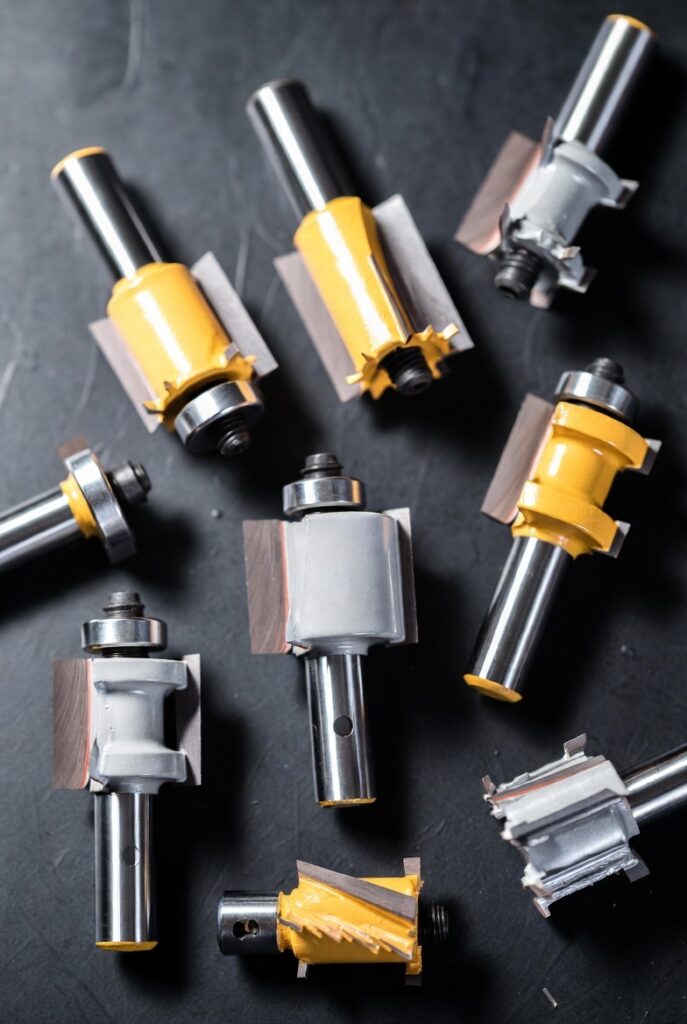
What Are Router Bit Profiles?
Router bit profiles refer to the shape or contour that a router bit creates on the edge or surface of wood. Each profile serves a specific purpose — from functional cuts like grooves and rabbets to decorative edges like ogees or round-overs. The profile of the router bit determines the final look and functionality of the wood piece.
Router bit profiles are defined by their cutting edges, angles, and bearing guides. They can be simple or complex:
- Straight bits cut flat-bottom grooves or dados.
- Round-over bits create smooth, rounded edges for tabletops or shelves.
- Cove and ogee bits produce decorative edges for furniture and cabinetry.
Pro Tip: Understanding the various router bit profiles helps in selecting the right bit for edge work, joinery, and decorative detailing, ensuring professional results every time.
Why Router Bit Profiles Matter
Router bit profiles are more than just aesthetics. They affect:
- Functionality: Certain profiles, like rabbets and dado bits, are essential for joinery and structural applications.
- Safety: Using the correct profile ensures smoother cuts and reduces the risk of tear-out or kickback.
- Efficiency: Knowing the right router bit profiles allows you to work faster and achieve consistent results.
- Project Quality: Decorative profiles, like ogees or beading, enhance the visual appeal of furniture and cabinetry.
Common Applications of Router Bit Profiles
- Cabinet Doors: Raised panels and decorative edges.
- Tabletops: Rounded edges or chamfers for a professional finish.
- Frames and Molding: Cove, ogee, and beading profiles.
- Grooves and Joints: Straight, rabbeting, and dado bits for precise joinery.
Quick Table – Common Router Bit Profiles
| Bit Profile | Use Case | Description |
|---|---|---|
| Straight Bit | Grooves, dados | Flat-bottomed cuts |
| Round-Over | Edge smoothing | Smooth, rounded edges |
| Cove | Decorative edges | Concave edges for trim |
| Ogee | Cabinet doors | Elegant S-shaped curves |
| Rabbeting | Joinery | Step-like cuts for edge joints |
| Chamfer | Edges & corners | Angled cuts for finishing |
Summary
Router bit profiles are fundamental to woodworking projects, influencing both the functionality and appearance of your workpieces. By understanding the different profiles, their applications, and benefits, you can choose the right router bit profiles for every project, ensuring accuracy, efficiency, and professional-quality results.
Types of Router Bit Profiles and Their Uses
Understanding the different router bit profiles is key to selecting the right bit for your woodworking projects. Each profile produces a unique shape or edge on the wood, offering both functional and decorative benefits. Below is an in-depth look at the most common router bit profiles and their applications.
1. Straight Router Bits
Straight router bits are the most versatile and widely used router bit profiles. They are ideal for cutting grooves, dados, and rabbets in wood.
Uses:
- Cutting slots for joinery.
- Hollowing out areas for inlays or panels.
- Creating dado joints for cabinets and shelving.
Pro Tip: Use a straight bit with a guide or fence to ensure clean, precise cuts and avoid tear-out on the wood edges.
2. Round-Over Bits
Round-over bits create smooth, rounded edges on boards, giving a professional and finished look. These are particularly popular for tabletops, shelves, and cabinet edges.
Uses:
- Softening sharp edges for safety.
- Decorative edging for furniture.
- Preparing wood for painting or finishing by preventing splintering.
Tip: Different radius sizes are available — small round-overs create subtle curves, while larger ones produce pronounced, elegant edges.
3. Cove Bits
Cove bits are concave and produce a curved recess along the wood edge. They are mainly used for decorative trim and molding.
Uses:
- Adding decorative details to cabinet doors.
- Creating crown molding or picture frames.
- Combining with ogee bits for intricate edge designs.
Pro Advice: Cove bits paired with a matching round-over or ogee bit can elevate the style of furniture pieces, creating a cohesive design.
4. Ogee Bits
Ogee router bit profiles create S-shaped decorative edges, often seen in classic cabinetry and furniture trim. They are highly popular for giving wood a traditional, elegant finish.
Uses:
- Cabinet doors and drawer fronts.
- Table edges and molding.
- Chair rails and decorative panels.
Tip: Ogee bits often require a router table with fence support for precise cuts due to their complex shape.
5. Rabbeting Bits
Rabbeting bits cut a step or ledge along the edge of the wood, creating a rabbet joint. This profile is functional and widely used in cabinet construction and framing.
Uses:
- Edge joinery for boxes or cabinets.
- Installing glass panels or decorative inlays.
- Preparing wood for slip joints or door panels.
Pro Tip: Pair a rabbeting bit with a bearing guide to control the depth and maintain consistent cuts.
6. Chamfer Bits
Chamfer bits create an angled edge along the wood, providing both a decorative finish and reducing sharp corners.
Uses:
- Edge finishing for tabletops and shelves.
- Decorative touches for trim and molding.
- Functional chamfers for safety and reduced splintering.
Tip: Chamfer bits come in different angles — 45° is the most common, but other angles are available for specific design needs.
Quick Reference Table – Router Bit Profiles and Uses
| Router Bit Profile | Primary Use | Project Examples |
|---|---|---|
| Straight Bit | Grooves, dados | Shelving, cabinetry |
| Round-Over | Smooth edges | Tabletops, shelves |
| Cove | Decorative concave edges | Crown molding, trim |
| Ogee | Elegant S-shaped edges | Cabinet doors, drawer fronts |
| Rabbeting | Joinery & edge steps | Boxes, cabinets |
| Chamfer | Angled edge finish | Tables, decorative trim |
Summary
Mastering the various router bit profiles allows woodworkers to combine functionality with aesthetics. From the practical straight and rabbeting bits to the decorative ogee and cove profiles, each bit has a specific purpose. Choosing the right router bit profiles ensures your projects are not only precise but also visually appealing.
How to Choose the Right Router Bit Profile for Your Project
Selecting the right router bit profile is crucial for achieving professional-quality results in woodworking. With so many options available, understanding how each profile affects your project ensures you make the best choice for both function and aesthetics.
1. Consider the Project Type
The type of woodworking project often dictates which router bit profiles are most suitable:
- Cabinetry: Use ogee, round-over, or cove bits for decorative edges; straight or rabbeting bits for joinery.
- Shelving and Tables: Round-over and chamfer bits help create smooth, safe edges.
- Trim and Molding: Cove, ogee, and chamfer bits add classic decorative details.
- Boxes and Small Projects: Rabbeting and straight bits are ideal for precise joints.
Tip: Always match the bit profile to both the function and the visual style of your project.
2. Match the Bit Size to Your Material
Router bit profiles come in different diameters and cutting depths. Choosing the right size ensures clean cuts and prevents tear-out:
- Small diameter bits (¼”–½”): Ideal for delicate or detailed edge work.
- Medium bits (½”–¾”): Good for general-purpose edge shaping.
- Large bits (1”+): Suitable for heavy-duty edges, large moldings, or deep grooves.
Using the correct size with the chosen router bit profiles ensures the cut is smooth and precise without damaging the wood.
3. Material Compatibility
Not all router bit profiles are suitable for every material:
- Hardwoods (oak, maple): Require carbide-tipped bits for durability.
- Softwoods (pine, cedar): Standard steel bits may suffice.
- Plywood & MDF: Use high-quality carbide bits to prevent tear-out and splintering.
Pro Advice: Match the material with the router bit profiles to maintain sharpness and cut quality. For frequent use on hardwood, investing in carbide bits is essential.
4. Consider the Level of Detail
Complex decorative router bit profiles like ogee or cove require careful routing:
- Beginners may start with simpler profiles like round-over or straight bits.
- Advanced woodworkers can experiment with layered profiles or custom edges.
Even the best router bit profiles won’t produce professional results without steady hands, proper speed, and control.
5. Router and Table Compatibility
Some intricate router bit profiles require:
- Router table usage: Provides stability for large or complex cuts.
- Fence support and guides: Ensure accurate, repeatable cuts.
- Router lift capability: For precise depth adjustment with decorative bits.
Tip: Always check if your router and router table support the size and profile of the bit you plan to use.
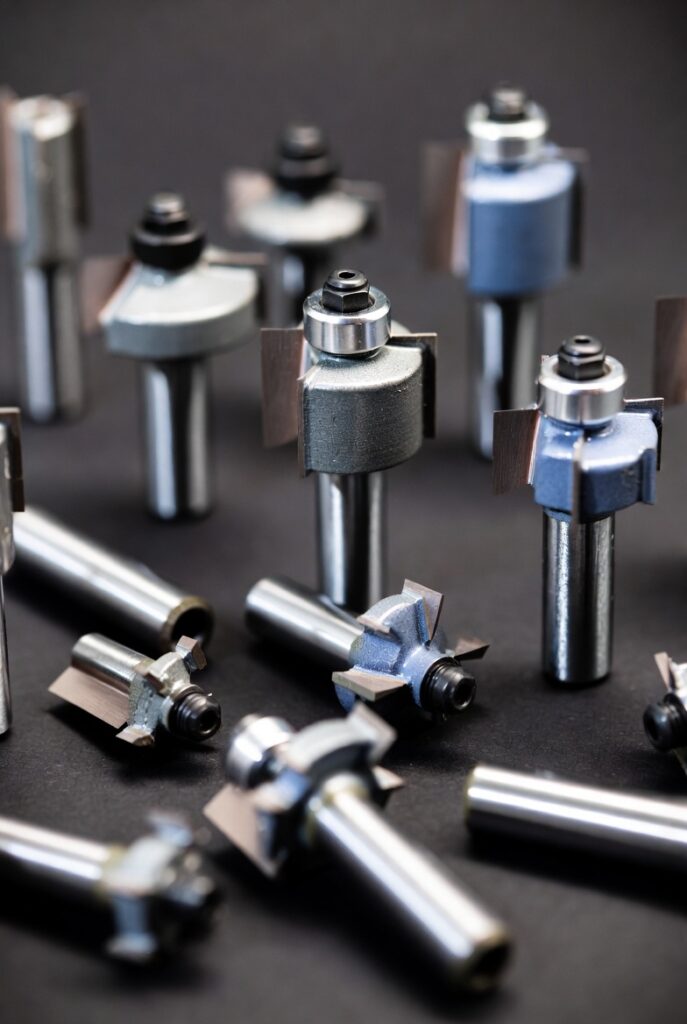
Quick Selection Checklist – Choosing the Right Router Bit Profile
| Consideration | Questions to Ask | Example Choice |
|---|---|---|
| Project Type | Is it cabinetry, furniture, or trim? | Ogee for cabinet doors, chamfer for tables |
| Bit Size | How deep or wide is the cut needed? | ½” round-over for shelves |
| Material | Hardwood, softwood, or plywood? | Carbide-tipped bit for oak |
| Detail Level | Beginner or advanced edge design? | Straight bit for beginners, cove for decorative |
| Router/Table Compatibility | Will your tools support the profile? | Use router table for ogee bits |
Summary
Choosing the right router bit profiles is a balance of project type, material, detail, and tool compatibility. By carefully considering these factors, woodworkers can achieve clean, precise, and visually appealing results on every project. Selecting the proper bit ensures that even complex designs are easy, safe, and repeatable.
Tips for Using Router Bit Profiles Safely and Effectively
Working with router bit profiles can produce beautiful, professional results, but it also requires careful handling and proper techniques to ensure both safety and precision. Even the best router bit profiles can be dangerous if used incorrectly. Below are essential tips for safe and effective use.
1. Always Wear Safety Gear
Safety should be the first priority when using any router bit profiles:
- Eye protection: Prevents wood chips or dust from causing injury.
- Hearing protection: Routers can be loud, especially in enclosed workshops.
- Dust mask or respirator: Protects lungs from fine dust, particularly when cutting MDF or hardwood.
Pro Tip: Always assume bits will throw debris; safety gear is not optional, even for small decorative bits.
2. Use a Router Table for Stability
- A router table provides better control and stability, especially for intricate router bit profiles like ogee, cove, or chamfer bits.
- Fence guides and featherboards help maintain consistent pressure and prevent kickback.
- For large or long pieces, a router table ensures precise, repeatable cuts.
Tip: Beginners should always practice on scrap wood before using expensive or rare material.
3. Feed the Wood Correctly
- Always feed wood against the rotation of the bit to avoid tear-out and kickback.
- Maintain a steady, controlled speed — too fast can burn the wood, too slow can cause rough edges.
- Support long pieces with outfeed tables or auxiliary supports to keep the wood level.
Proper feed technique ensures that router bit profiles cut cleanly and consistently every time.
4. Adjust Cutting Depth Gradually
- Never attempt to remove too much material in a single pass.
- For deep cuts or large decorative profiles, take multiple shallow passes.
- Adjust the router bit height incrementally to reduce strain on the router and minimize tear-out.
Pro Advice: Gradual cutting improves precision and prolongs bit life, especially on carbide-tipped bits.
5. Secure Your Workpiece
- Clamp or secure wood pieces whenever possible.
- Use featherboards to keep wood against the fence and table surface.
- Small pieces should never be routed freehand.
A securely fastened workpiece ensures consistent edges and reduces the risk of accidents when using router bit profiles.
6. Keep Router Bits Sharp and Clean
- Dull bits create rough cuts, burn marks, and strain the router motor.
- Clean resin and pitch buildup from bits after each use to maintain cut quality.
- Consider using a bit sharpening service or replacing worn carbide bits.
Tip: Even the best router bit profiles are ineffective if the cutting edges are dull or clogged.
7. Maintain Proper Router Speed
- Larger bits require slower router speeds to avoid burning or chipping.
- Smaller bits can handle faster speeds for clean, precise cuts.
- Refer to manufacturer guidelines for recommended RPM based on bit diameter.
Quick Guide Table – Recommended Router Speeds
| Bit Diameter | Recommended RPM |
|---|---|
| ¼” – ½” | 18,000 – 24,000 |
| ½” – 1” | 12,000 – 18,000 |
| 1”+ | 8,000 – 12,000 |
Summary
Using router bit profiles safely and effectively requires a combination of proper setup, correct feeding techniques, and consistent maintenance. Wearing safety gear, securing your workpiece, feeding against the rotation, and using gradual cuts ensures professional results while protecting both you and your materials. Following these tips allows even beginners to create clean, precise, and decorative edges with confidence.
Advanced Router Bit Profiles and Decorative Techniques
Once you’ve mastered the basic router bit profiles, you can start exploring advanced profiles and techniques to add complexity and elegance to your woodworking projects. Advanced profiles allow woodworkers to create intricate edges, inlays, and layered designs that elevate furniture, cabinetry, and decorative pieces.
1. Ogee and Double Ogee Bits
- Ogee bits create a graceful S-shaped curve on edges, while double ogee bits produce more intricate, layered S-curves.
- Ideal for cabinet doors, drawer fronts, and crown molding.
- Use a router table with fence support to maintain stability and precision.
Tip: Combine a round-over or cove bit with an ogee bit to create custom decorative edges.
2. Beading and Reeding Bits
- Beading bits add a small rounded bead along the edge for subtle decoration.
- Reeding bits create parallel rounded ridges, often used in paneling or decorative moldings.
- These profiles are excellent for enhancing furniture details without overpowering the design.
Pro Advice: Use featherboards and multiple passes for beading and reeding to avoid tear-out and achieve smooth, consistent ridges.
3. Fluting Bits
- Fluting bits cut parallel grooves into wood, often seen in columns, drawer fronts, or decorative panels.
- Adds texture and depth to woodworking projects.
- Requires precise setup on a router table with guides or fences for consistent spacing.
Tip: Test the spacing and depth on scrap wood before cutting your final piece.
4. Raised Panel Bits
- Used to create classic raised panels for cabinet doors.
- Typically involve multiple passes with a combination of straight, ogee, and cove profiles.
- Creates a professional, traditional woodworking look.
Using raised panel bits requires careful control and the correct router bit profiles, as mistakes can ruin an expensive wood panel.
5. Layering Profiles for Custom Designs
Advanced woodworkers often combine multiple router bit profiles in a single project to create unique, layered edges:
- Start with a straight or rabbet bit for a base cut.
- Add cove, ogee, or round-over profiles for decorative layering.
- Finish with a chamfer or beading bit for refined edges.
Pro Tip: Sketch your design first and test on scrap wood to ensure the combination of router bit profiles achieves the desired effect.
6. Inlay and Decorative Edge Techniques
- Inlays can be achieved using straight, dovetail, or core box bits.
- Allows woodworkers to insert contrasting wood or materials into grooves cut by the router bit profiles.
- Decorative edges can also be painted or stained for highlighted details.
Tip: Precision is key — a clean groove and snug fit make the inlay seamless and professional-looking.
Quick Reference Table – Advanced Router Bit Profiles
| Bit Profile | Use Case | Project Examples |
|---|---|---|
| Ogee & Double Ogee | Decorative edges | Cabinet doors, molding |
| Beading & Reeding | Subtle edge detail | Furniture trim, paneling |
| Fluting | Textured grooves | Columns, drawer fronts |
| Raised Panel | Cabinetry | Traditional raised panels |
| Custom Layering | Unique edges | Tables, mantels, furniture |
| Inlay Bits | Contrasting designs | Decorative panels, furniture |
Summary
Advanced router bit profiles expand the creative possibilities of woodworking. By mastering ogee, beading, fluting, raised panels, and layered designs, woodworkers can produce complex, decorative, and professional-quality projects. Combining multiple profiles allows for custom designs that make your furniture or cabinetry stand out. Proper setup, multiple passes, and careful planning are essential for success with these advanced techniques.
Maintenance and Care for Router Bit Profiles
Proper maintenance and care of router bit profiles are essential for ensuring precision, safety, and longevity. Even the highest-quality router bits can dull, chip, or warp if not properly maintained. Regular maintenance helps you achieve clean cuts, professional finishes, and extended bit life.
1. Keep Bits Clean
- After each use, remove resin, pitch, and dust buildup using a soft brush or bit cleaner.
- Avoid harsh abrasives that can damage the cutting edges.
- Clean bits after working with resinous woods like pine or cedar, which tend to leave sticky residue.
Clean router bit profiles cut more smoothly and reduce heat buildup that can damage the wood or bit.
2. Sharpen Dull Bits
- Dull bits produce rough edges, burning, or tear-out.
- Use a diamond hone or professional sharpening service for carbide-tipped bits.
- Straight bits, round-over bits, and ogee bits can all be resharpened carefully.
Pro Tip: Regularly checking bit sharpness prevents mistakes and extends the life of your router bit profiles.
3. Store Bits Properly
- Store bits upright or in a dedicated case to avoid chipping the cutting edges.
- Avoid tossing bits loosely in drawers or toolboxes.
- Label bits by profile and size for easy access.
Proper storage keeps router bit profiles organized and ready for your next project, saving time and protecting your investment.
4. Inspect for Damage Before Use
- Check for nicks, chips, or cracks on the cutting edge.
- Do not use damaged bits — they can ruin wood and pose safety risks.
- Inspect the shank for straightness to prevent vibration or uneven cuts.
Tip: Even minor damage on a carbide-tipped profile can affect accuracy and smoothness in decorative or joinery work.
5. Use Correct Speed and Feed Rates
- Match router speed to bit diameter and wood type to prevent burning or chipping.
- Feed wood steadily against the bit rotation.
- Avoid forcing the cut; multiple shallow passes are safer for deeper profiles.
Using correct speed and feed improves cut quality and prevents premature wear on your router bit profiles.
6. Lubricate Moving Parts if Needed
- Some specialized bits or assemblies, like stacked dado bits, may benefit from light lubrication to prevent binding.
- Never lubricate the cutting edges themselves — only moving guides or assemblies where applicable.
Quick Maintenance Checklist for Router Bit Profiles
| Task | Frequency | Purpose |
|---|---|---|
| Clean cutting edges | After each use | Smooth, precise cuts |
| Sharpen bits | When dull | Prevent rough cuts and burning |
| Inspect for damage | Before each use | Safety & accuracy |
| Store properly | Always | Protect cutting edges |
| Check speed & feed | Every project | Prevent wear & tear |
| Lubricate guides | As needed | Smooth operation |
Summary
Proper maintenance and care of router bit profiles ensure consistent, high-quality cuts and prolong the life of your tools. By cleaning, sharpening, inspecting, storing properly, and using correct speeds, you can keep your router bits performing at their best for years of woodworking projects. A well-maintained router bit not only improves results but also enhances safety and efficiency in your workshop.